|
|
|
|
In July 2024, I launched a membership program for beginner copywriters.
|
My goal was to create a single space where beginners could learn both core copywriting skills and, the freelancing skills (how to secure & retain clients).
|
Alhamdulillah, the program ran for 2 incredible years.
|
However, I recently made the decision to close it down 💔
|
Tbh, it was one of the most rewarding digital products I have ever built. And it also taught me a lot about business models, operations, and community management.
|
For anyone thinking of launching a membership program, I want to share the biggest takeaways, my own mistakes as a founder, and what I'd do differently:
|
Grab a coffee, sit back, and enjoy the email 🫶☕️
|
1. More content isn't what keeps members around
My membership ran on a monthly billing cycle.
|
Even though the learning portal was already packed with valuable pre-recorded lessons, that still created a self-imposed pressure to release something new every single month just to justify the recurring fees members pay.
|
What you have to know is, adding more content doesn't necessarily increase retention.
|
In fact, it usually creates overwhelm for members who haven't even finished what you already provided.
|
What I'd do differently next time:
|
👉 I’d focus on live Q&A sessions or copy-review workshops using existing materials.
|
👉 The goal should always be helping members get real-world results with what they already have.
|
👉 Instead of "here is more stuff to consume", shift to, "here is how you get results with what we have."
|
2. Set up automated help before you get overwhelmed
This is something very crucial you need to consider.
|
I underestimated the amount of administrative work involved to support members from the moment they joined the membership until the moment they decided to leave.
|
Eventually, I had to hire a Virtual Assistant because the member-management tasks took up all my time.
|
If your administrative workload increase every time a new member joins, it means that you don't automate enough.
|
What I'd do differently next time:
|
👉 Automate onboarding and offboarding process entirely through self-serve portals and automated email sequences.
|
👉 Set clear communication boundaries and office hours.
|
👉 Use a centralized knowledge base or FAQ hub so members can find quick answers themselves without waiting for direct support.
|
⚡️ A quick nuance: It's worth noting that, regional context matters here. In Malaysia, memberships are still a newer concept, so members may prefer direct guidance. If you operate in a market where subscription platforms are second nature, self-serve automation is much easier to implement right from the start.
|
3. Protect your income against software fees and lost members
When you're running an online membership program, you need several software and online tools to support you.
|
I didn't realize how quickly costs like software, marketing tools, and VA pay would pile up, especially when the monthly membership income is not stable.
|
In the case of my own membership, members can join and leave whenever they want. I didn't put a requirement for them to stay for a certain number of months. And this was my mistake.
|
When people leave every month, you get stuck on a hamster wheel. You're constantly fighting to bring in new members just to keep your membership income from dropping.
|
What I'd do differently next time:
|
👉 Fix the offer structure: Sell 3-month, 6-month, or annual passes instead of pay-as-you-go monthly. This keeps your income predictable and stops people from leaving after 30 days.
|
👉 Open enrollment in batches: Instead of leaving registration open all year, open doors only 2 or 3 times a year. That way, you only do heavy marketing a few weeks a year instead of selling non-stop every day ( like how I used to do, which is exhausting 🤧)
|
👉 Keep software cheap and simple: Don't buy fancy software or hire help until your income is steady enough to pay for it easily. Which means, you need to learn how to automate most member-management tasks. We have AI agent now, so I think this is very much doable without hiring.
|
4. Don't panic if your group chat is quiet
When I posted updates or lessons and got low response rates, I sometimes let it demotivate me and ruin my momentum (what can I say? My love language is words of affirmation 😂).
|
One thing you have to know when you want to build an educational-based membership program is...
|
Most members consume quietly and move at their own pace. Silence doesn't necessarily means they're ignoring you or not following the program.
|
👉 I'd set metrics for success that aren't tied solely to chat replies or instant comments.
|
We actually sent out quarterly feedback surveys, and track course completion rates on the back-end of the learning portal.
|
Some students share their wins, but not everyone will, and that's okay.
|
👉 Having the feedback form actually made a huge difference because that's how I know the program was working and where to improve.
|
5. Price your membership program accordingly
To build a lasting program, you have to look at pricing through the lens of a business owner (not just an educator) and this was a HUUGE learning curve for me.
|
I priced the membership at roughly $10/month (RM49), meanwhile, similar programs in Malaysia go for RM100+, and programs outside Malaysia regularly charge around $100+/month (more than RM400 a month).
|
I initially thought a lower price point would make it easier for people to stick around long-term. But that's not always the case.
|
Based on what I learned from other membership owners and builders:
|
👉 Low-ticket memberships often experience higher cancellation rates because there's less financial accountability to utilize the platform.
|
Meanwhile, your software overhead and support workload remain the same whether your membership costs $10/month or $100/month.
|
What I’d do differently next time:
|
👉 Price it a bit higher so it is more sustainable to run.
|
👉 When you price it fairly, you can comfortably cover the overhead costs AND, the natural monthly churn (members leaving) without operating on a very thin margins and being in a constant worry.
|
👉 It also makes sure your business stays financially safe so you can focus your energy and time on helping your members.
|
Teaching and coaching are things I genuinely love, so I've been reflecting a lot on how to build better programs moving forward.
|
This experience was a huge learning curve, and I wanted to share these lessons freely so you can skip the trial and error in your own journey.
|
P.S. If you're building a membership right now (or thinking about it), hit reply and tell me what you're working on. And if you loved this post, let me know! My love language is words of affirmation, after all! 😋
|
|
|
|
|
|
Before you go, I have a few new offers that you might be interested in 👇😊
|
|
|
|
|
|
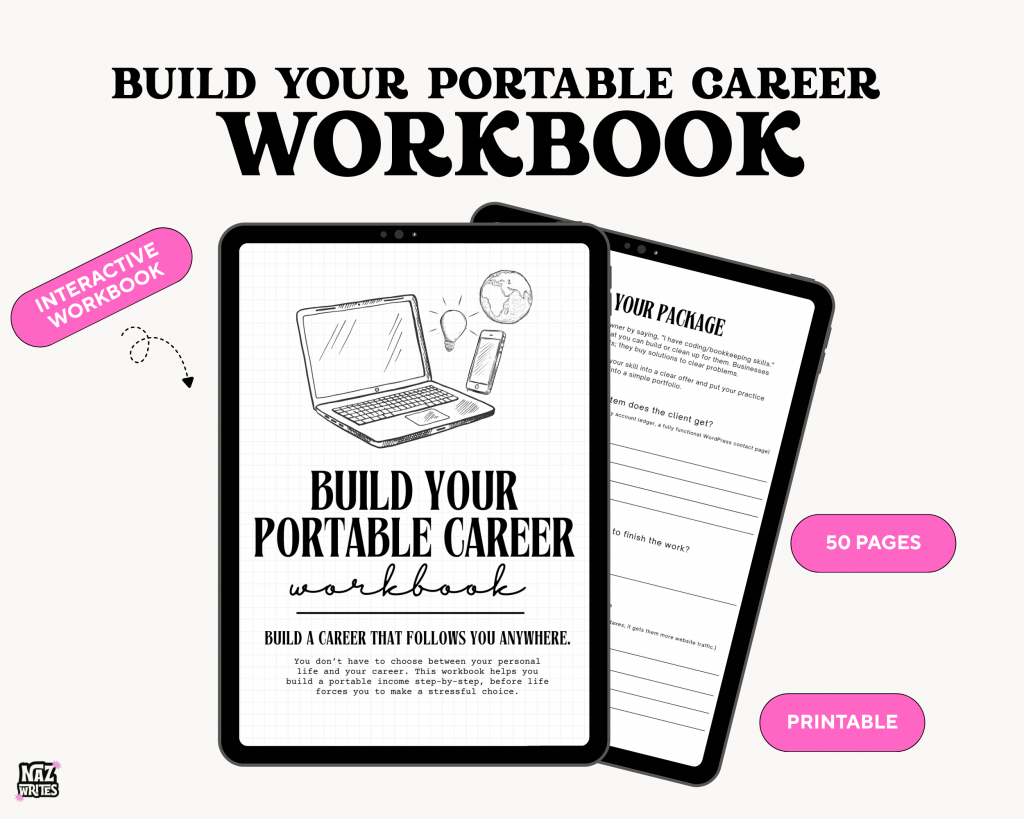
This workbook is designed for anyone tired of reading theories on how to build a portable career or earn income outside a traditional 9-to-5. It helps you map out actionable steps you can take today, so you can finally stop feeling overwhelmed and start taking real action.
|
|
|
|
|
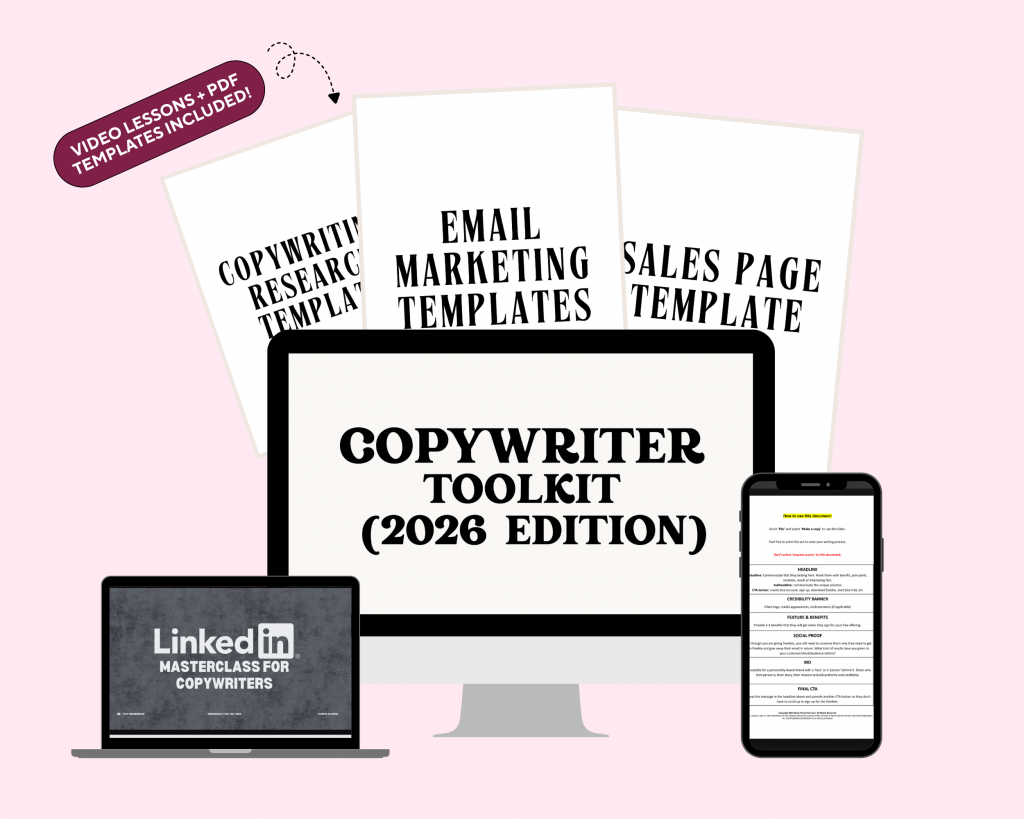
I put together this toolkit to help copywriters write high-converting client copy faster while also navigating the 2026 job market. Inside this toolkit, you’ll find a few practical video lessons and PDF templates.
|
|
|
|
|
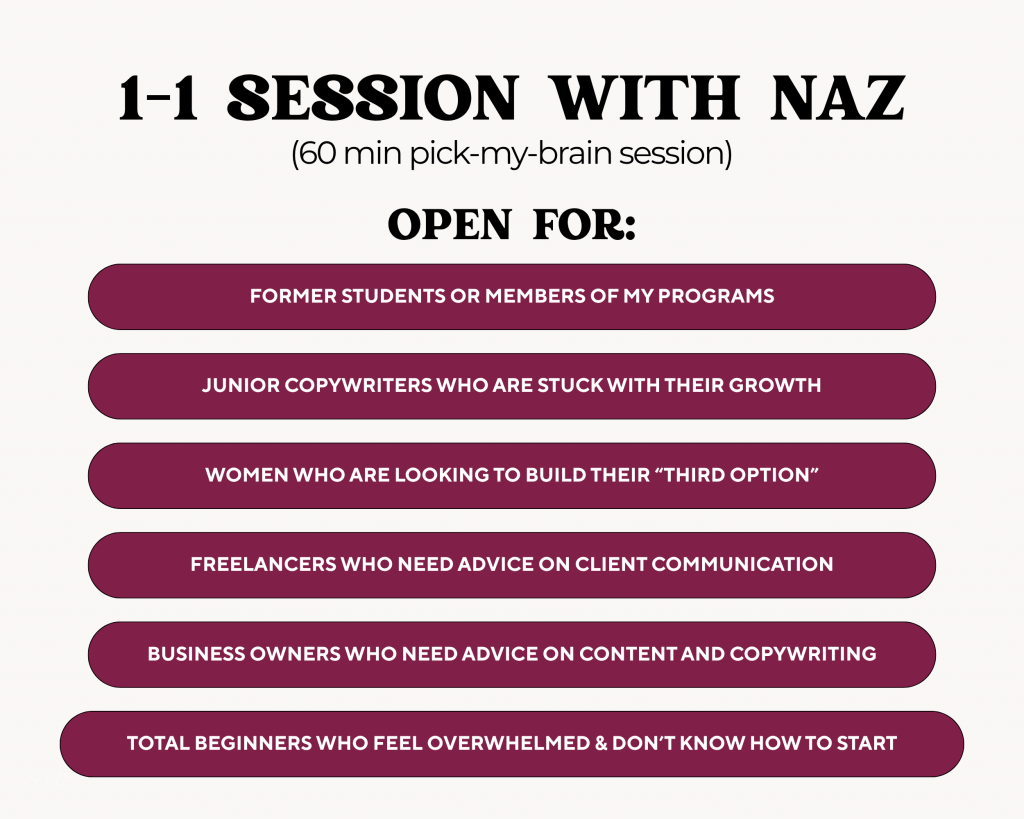
Good news! I finally open for a 1-1 pick-my-brain session. If you're interested, you can apply through the Google Form here.
|
|
|
|
|
|
|
|
|
 
|
|
|
|
|
|
|